Precision handling for rigid, scleral, and soft contact lenses
Handling contact lenses, particularly rigid gas permeable (RGP) and scleral lenses, can be challenging without the right tools. Suction tools and contact lens removers are designed to improve control, hygiene, and confidence during both insertion and removal, especially for wearers who struggle with finger-based techniques.
This collection brings together a range of clinically recommended suction devices to support safe, consistent lens handling across different lens types.
Why use a contact lens suction tool?
Suction tools provide a controlled point of contact with the lens surface, helping to:
- Improve precision during insertion and removal
- Reduce the risk of dropping or contaminating lenses
- Minimise direct finger contact, supporting better hygiene
- Assist wearers with reduced dexterity or confidence
- Make handling larger or firmer lenses (such as scleral lenses) significantly easier
They are particularly valuable for new lens wearers, patients transitioning to scleral lenses, or anyone experiencing difficulty removing lenses manually.
Types of suction tools available
While all suction tools work on a similar principle, design differences play an important role in usability and comfort.
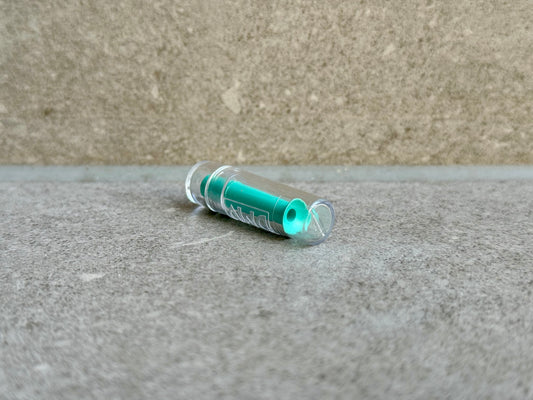
Designed primarily for scleral lenses, these tools feature a wider cup to hold the lens securely during application.
Best for:
- Scleral lens wearers
- Achieving stable, centred placement
- Reducing air bubbles during insertion
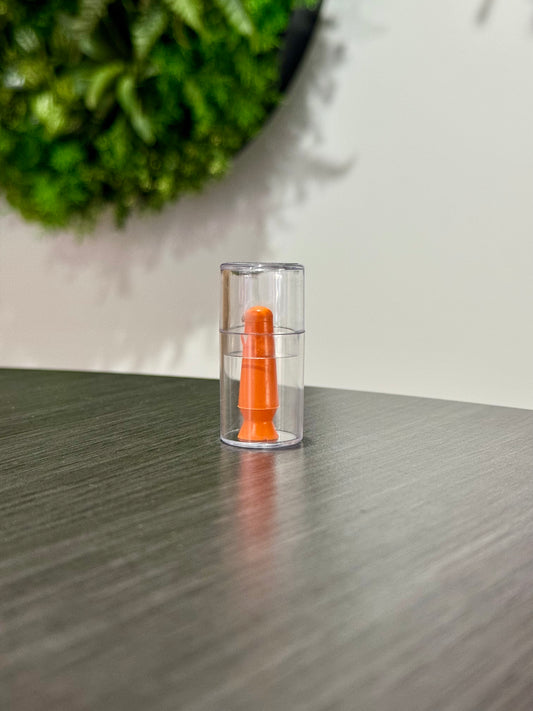
Smaller suction tips provide controlled grip to safely remove lenses from the eye surface.
Best for:
- RGP and scleral lens removal
- Patients who find manual removal difficult
- Improving confidence with firm lenses
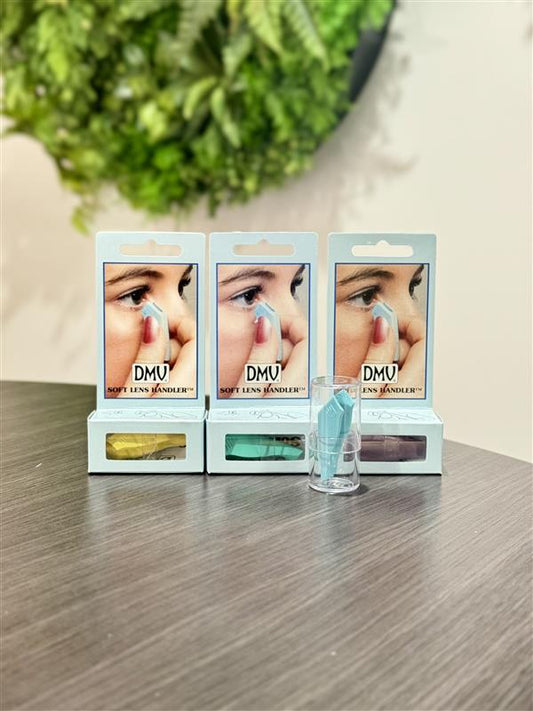
These tools are designed for soft lenses and focus on hygiene and ease of handling rather than suction strength.
Best for:
- Soft lens wearers
- Minimising finger contact
- Simple, everyday handling
Understanding vented, non-vented, and angled designs
Not all suction tools behave the same. The design of the tip and handle can significantly affect how the tool performs:
These include a small hole in the suction cup that allows controlled release of suction.
Key benefits:
- Easier, more controlled lens release
- Reduced risk of excessive suction
- Often preferred for insertion, particularly with scleral lenses
These create a stronger, more consistent seal on the lens surface.
Key benefits:
- Firm grip for reliable removal
- Greater control when handling rigid lenses
- Commonly used for RGP and scleral lens removal
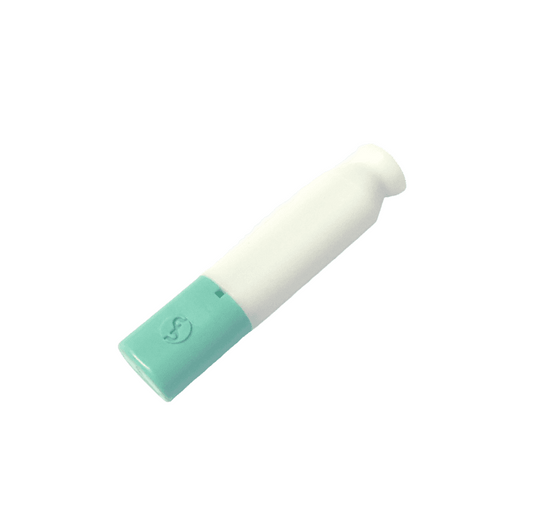
These feature a bent or angled handle to improve access and visibility.
Key benefits:
- Better ergonomics during insertion or removal
- Improved visibility when positioning lenses
- Helpful for patients who struggle with straight tools or positioning
Choosing the right tool
The most suitable option depends on your lens type and handling needs:
-
Scleral lenses: Often benefit from both an insertion tool (frequently vented) and a removal tool (typically non-vented)
-
RGP lenses: Usually best managed with a small, non-vented removal tool
-
Soft lenses: Applicators or tweezers may be sufficient
-
Ease of use: Angled designs can improve comfort and control for many wearers
If you are new to suction tools, starting with a design matched to your lens type is a practical approach, with additional tools added as needed.
Clinical perspective
From a clinical standpoint, suction tools can significantly improve lens handling technique and reduce common issues such as dropped lenses, incomplete removal, or lens contamination. They are frequently recommended by eye care professionals for patients who require a more structured, repeatable approach to lens application and removal.
If you are unsure which option is most appropriate, choosing based on your lens type and whether you prioritise ease of release (vented), stronger grip (non-vented), or improved ergonomics (angled) is a reliable starting point.
 Sold out
 Sold out