Learn more about these products
Dry eye has many causes, the most effective treatment usually involves a combination of therapies, rather than relying on just one product. Our dry eye range focuses on supporting the different parts of the tear system.

Dry eye can occur when the tear film does not function properly. Tears are made up of three important layers, oil, water, and mucus, that work together to keep the eyes comfortable and protected. When any of these layers are disrupted, the eyes may feel dry, irritated, gritty, or tired.

Why Dry Eye Often Needs Multiple Treatments
Dry eye rarely has a single cause. For many people it involves a combination of:
- Reduced tear production
- Blocked oil glands
- Eyelid inflammation
- Environmental factors such as screens or air-conditioning
Because of this, dry eye is usually managed with a step-by-step approach that may include lubricating drops, eyelid hygiene, warm compress therapy, and nutritional support. Using several treatments together often provides better and longer-lasting relief.
For more information on dry eye treatments available at Innovative Eye Care, visit our pages on dry eye, and blepharitis.
We recommend consulting with an eye specialist before beginning or changing any treatment plan. Tip: If your symptoms persist or worsen, it’s important to consult an eye care professional. Dry eye can usually be effectively managed once the underlying cause is identified.
-
Bruder Eye Hydrating Mask
Regular price $39.00 AUDRegular priceUnit price per -
Hylo-Forte Lubricating Eye Drop (HA 2mg/ml)
Regular price $30.50 AUDRegular priceUnit price per -
LACRITEC Dry Eye Supplement - Economy Pack
Regular price $100.00 AUDRegular priceUnit price per -
Optimel Manuka Eye Gel
Regular price $25.00 AUDRegular priceUnit price per -
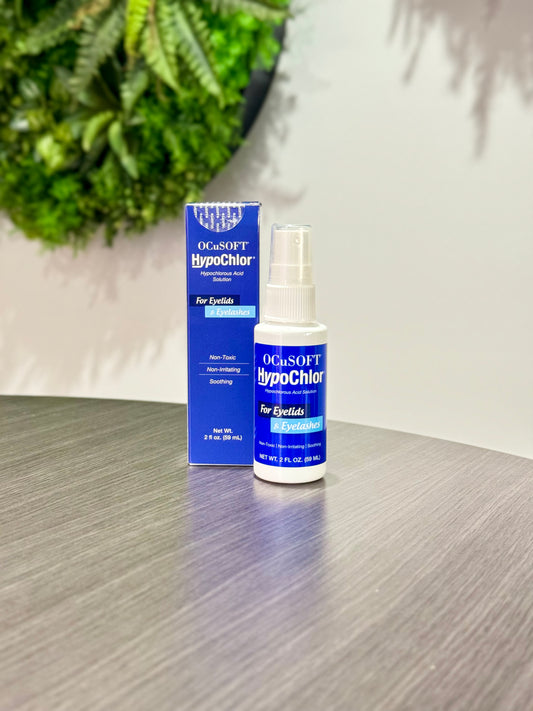
OCuSOFT HypoChlor Solution
Regular price $32.00 AUDRegular priceUnit price per -
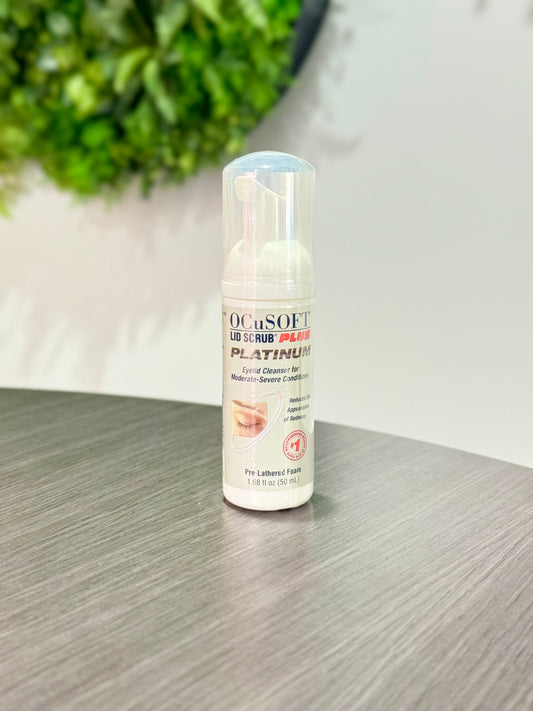
OCuSOFT Lid Scrub Platinum Foam
Regular price $34.00 AUDRegular priceUnit price per -
Hylo-Fresh Lubricating Eye Drop (HA 1mg/ml)
Regular price $30.50 AUDRegular priceUnit price per -
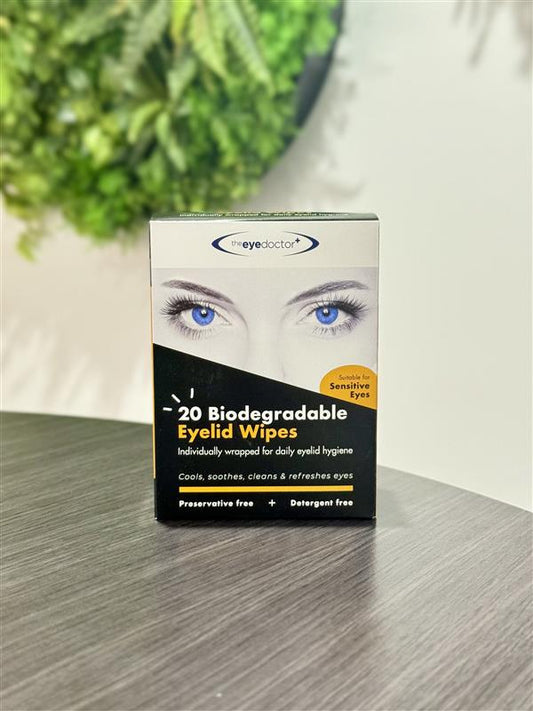
The Eye Doctor Eyelid Wipes
Regular price $11.95 AUDRegular priceUnit price per -
Optimel Manuka Dry Eye Drops
Regular price $25.00 AUDRegular priceUnit price per -
OCuSOFT Lid Scrub - Compliance Kit
Regular price $32.00 AUDRegular priceUnit price per -
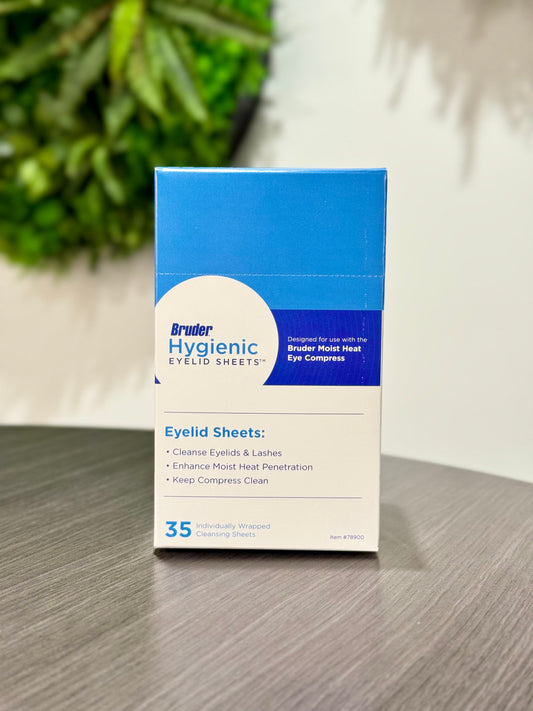
Bruder Hygienic Eyelid Sheets
Regular price $37.00 AUDRegular priceUnit price per -
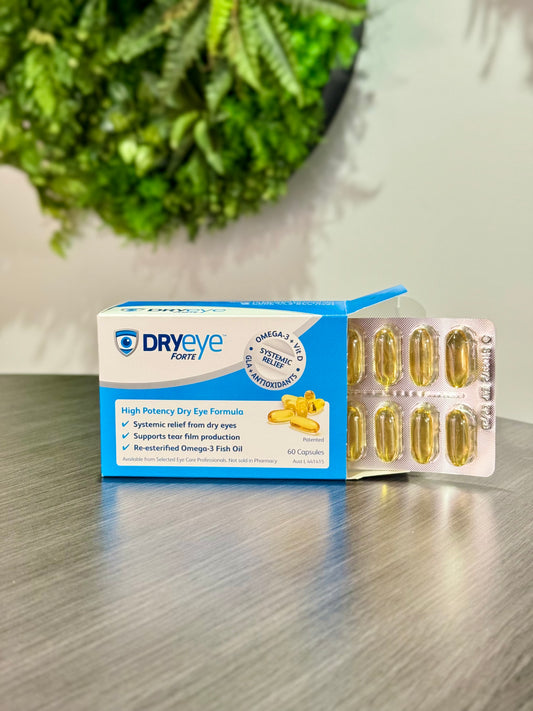
Dryeye Forte Eye Supplements
Regular price $33.95 AUDRegular priceUnit price per -
The Eye Doctor+ Hot and Cold Mask
Regular price $47.00 AUDRegular priceUnit price per -
Rohto Dry Aid Eye Drops (Multi-Dose Bottle)
Regular price $30.00 AUDRegular priceUnit price per -
Thera Tears Therapy For Your Eyes
Regular price $20.00 AUDRegular priceUnit price per -
VitA-POS Eye Ointment
Regular price $12.80 AUDRegular priceUnit price per -
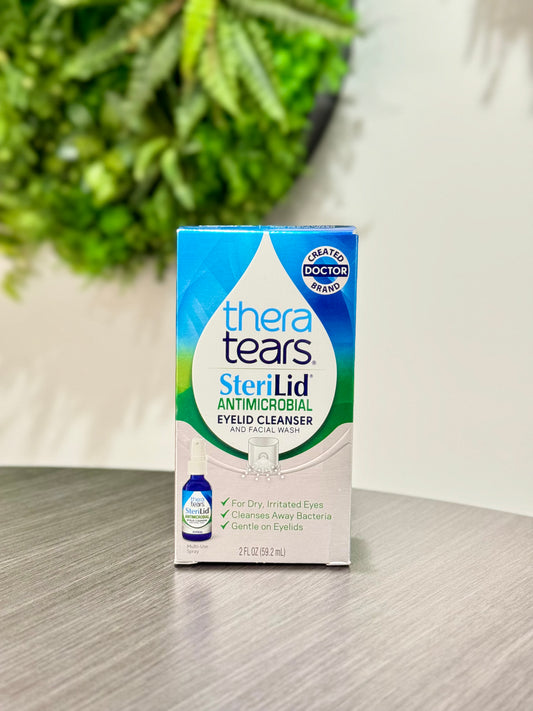
TheraTears SteriLid Antimicrobial Eyelid Cleanser and Facial Wash
Regular price $39.00 AUDRegular priceUnit price per -
Thera Tears Liquid Gel - night time dry eye therapy
Regular price $24.50 AUDRegular priceUnit price per -
Nova Tears Lubricating Eye Drops
Regular price $26.99 AUDRegular priceUnit price per -
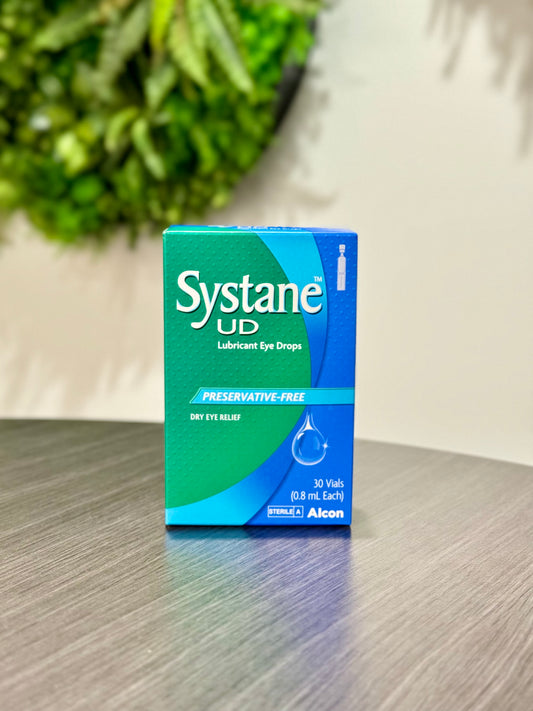
Systane UD Lubricant Eye Drops
Regular price $16.00 AUDRegular priceUnit price per -
Cationorm Lubricating Eye Drops – Unit Dose 30x0.4mL
Regular price $34.99 AUDRegular priceUnit price per -
Optimel Manuka Eyelid Cream
Regular price $28.00 AUDRegular priceUnit price per -
OCuSOFT Lid Scrub Plus Foam
Regular price $30.00 AUDRegular priceUnit price per -
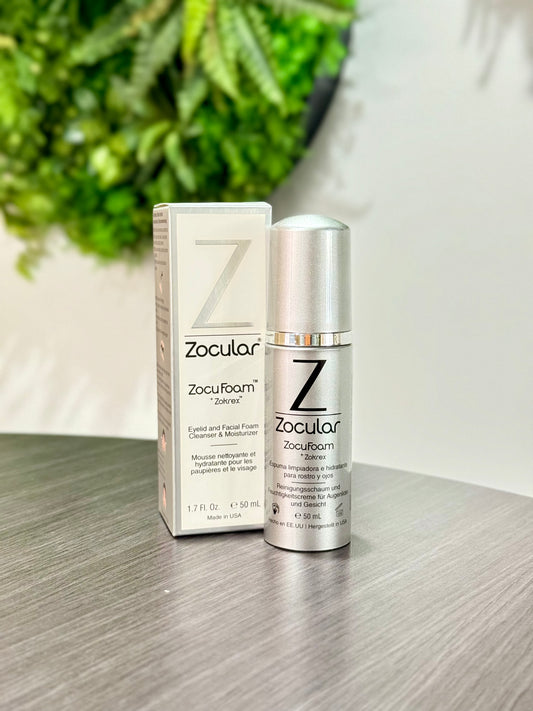
Zocular Eyelid Cleanser & Moisturiser 50mL
Regular price $74.00 AUDRegular priceUnit price per